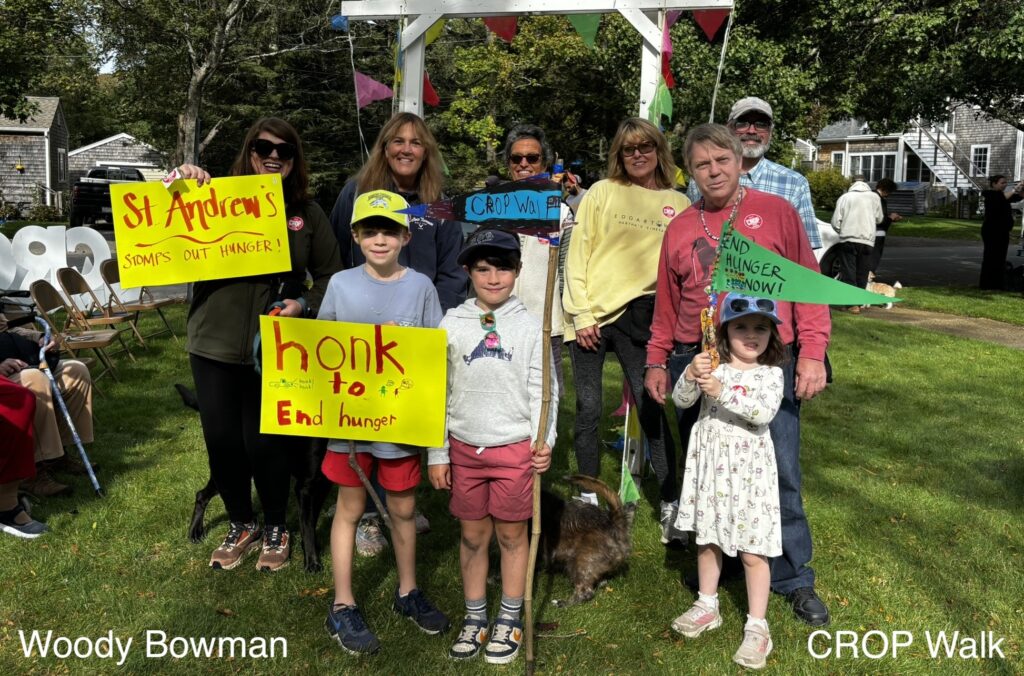
On The Island of Martha’s Vineyard
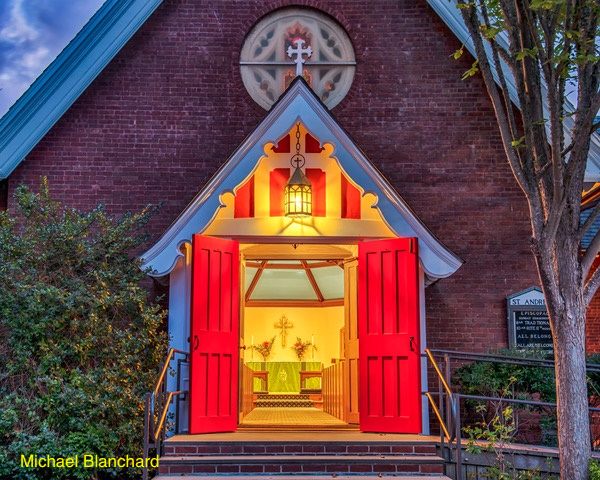
Introduction: “There is something about this church. . . .”

Our location: the Island of Martha’s Vineyard
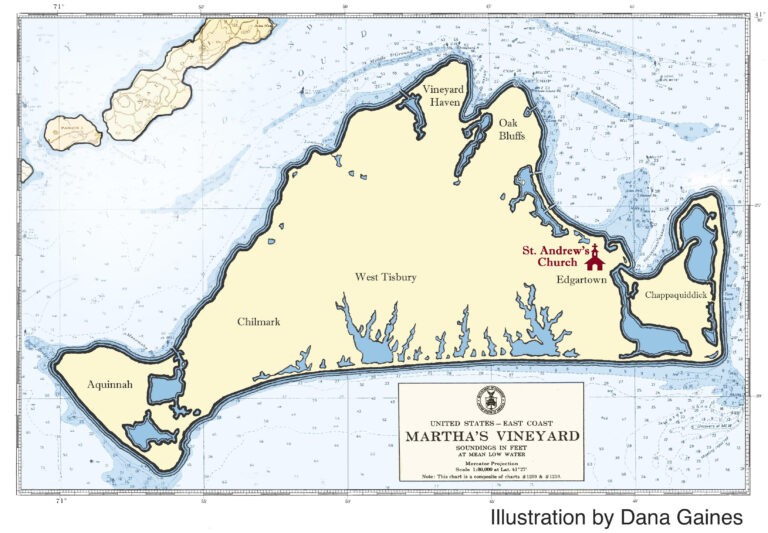
You may have heard of us.
We’re the Island of six towns lying three miles off the southern coast of Cape Cod where two presidents, Clinton and Obama, have vacationed in the last thirty years. Where overnight in 1969 “Chappaquiddick” became a worldwide byword for human tragedy and political upheaval. Where in 1975 the predations of a mechanical twenty-five-foot great white shark briefly made us better known as Amity Island than Martha’s Vineyard.

That’s the celebrity side of our Island. But celebrity often glosses over reality. And the reality of the Vineyard is that beneath the resort for which it is famed, there lies a much deeper and more durable history that goes back to the glaciers and meltwaters that formed us more than twenty-thousand years ago. We are an Island of native Wampanoags, of the descendants of whaling men and their wives, of African Americans of many generations and immigrants from around the planet, of laborers and professionals and artists and dreamers and a group imprecisely and sometimes dismissively called “wash-ashores.” (Go back far enough and we are all wash-ashores.)
 We are also a small offshore laboratory where we contend with often outsized social problems (the unaffordability of many homes, the slow exodus of every class of resident except the richest, the demographics and ramifications of an aging population). We also face existential challenges (among them rising seas, extensive erosion, saving an environment alive – Galapagos-like – with unusual and irreplaceable plants and animals). In reverence for this beautiful place in the sea, we parishioners of St. Andrew’s Episcopal Church look to God and ourselves as we care for the land and water around us, and especially for our brothers and sisters who live and work on both.
Our mission
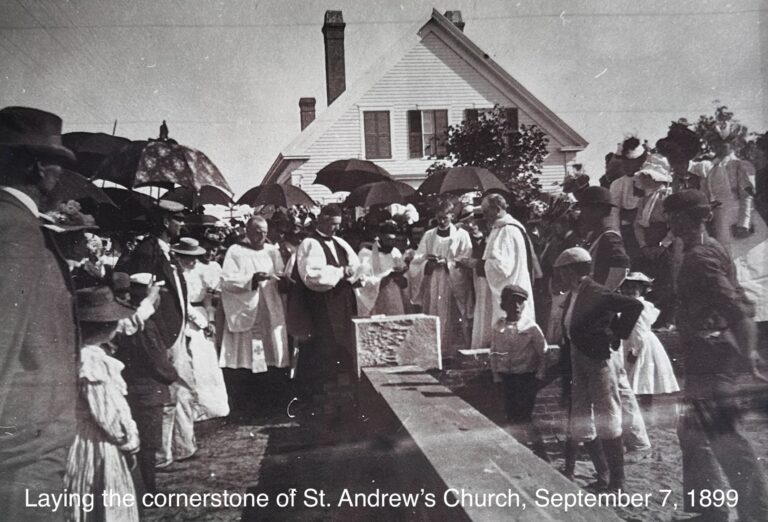
Our beginnings: St. Andrew’s-by-the-Sea
Our Worship
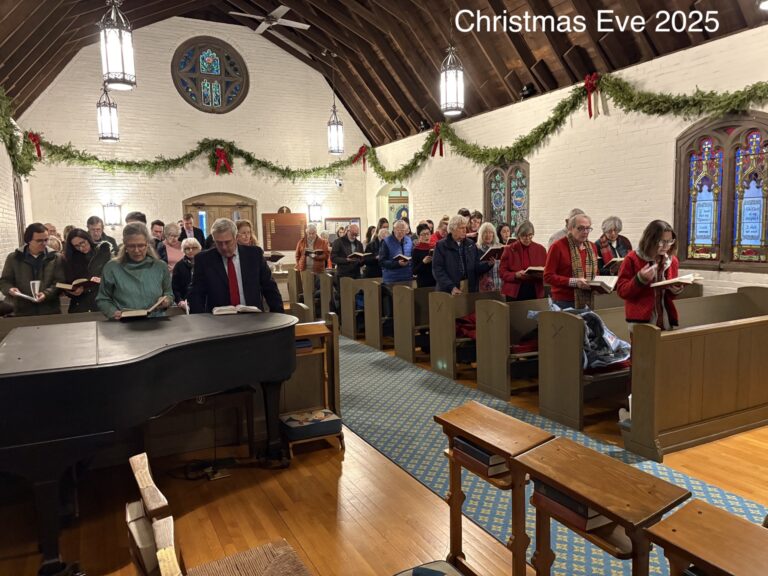
We don’t really know how it all began, but we have a good sense of what kept the early Episcopalian movement going, because it animates our own desire to worship today. It was, and is, a need to gather in community and, through the liturgy, experience the everlasting love of God through the great mystery of the sacrifice, execution and resurrection of His son Jesus Christ.
As it was for them in those first days, so it is for us now.
 We hear and speak the collects, the lessons, the psalms, the epistles and the Gospels, and we seek to know, in faith, how these ancient messages reveal the ways God loves and guides us to this day. We confess that our understanding does not always come easily or perfectly. Which is why, each week, we listen so eagerly to the sermon. It is from the pulpit that we learn how to interpret these ancient stories and discover, sometimes to our astonishment, how and where the Lord might be leading us today. And it is in community, among us parishioners in the pews, where the meaning of God’s unceasing love and guidance can be so joyfully taken in. And shared. And acted on.
Today, St. Andrew’s relies on the Book of Common Prayer (1979) and the Hymnal (1982). Until April of 2024, we held two services each Sunday. The first was Holy Eucharist Rite I without music at 8:00 a.m. To those who favored it, the allure of this service was its reflective, unchanging nature and especially the old English qualities and rhythms of its language. The eight o’clock service was suspended that spring. Now we worship once each Sunday at 9:00 a.m. with the Holy Eucharist Rite II liturgy and organ music. Our average off-season attendance is thirty-five to forty-five, our in-season average forty-five to sixty.
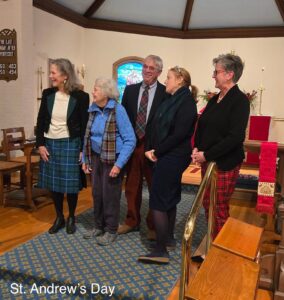 It is the evergreen hope of those who faithfully attended the early morning services that, under the inspiring leadership of a new rector, the Rite I service and its liturgy can return to the schedule, perhaps initially in summer when we have more people worshipping and serving as lay leaders. Meantime, those who happily attend the Rite II service and love the music played by director and organist Rob Lehman are welcoming the chance to experiment with alternate liturgies. We have tried out the New Zealand Prayer Book and are experimenting with additional services at different times, such as vespers – and inviting other musicians to play with Rob.
In short, parishioners at St. Andrew’s continue to place worship at the heart of everything we do, just as our forebears did when they were holding services in front-room parlors. Or as they did when they established their first communal home at Gothic Hall. Or as they did while struggling to raise the money to build a church where, we believe, they would recognize our own worship as devoutly Episcopalian. And rejoice that what they began one hundred and thirty years ago lives on with a vigorous, loving, Christ-centered spirit today.
Challenges of Island living
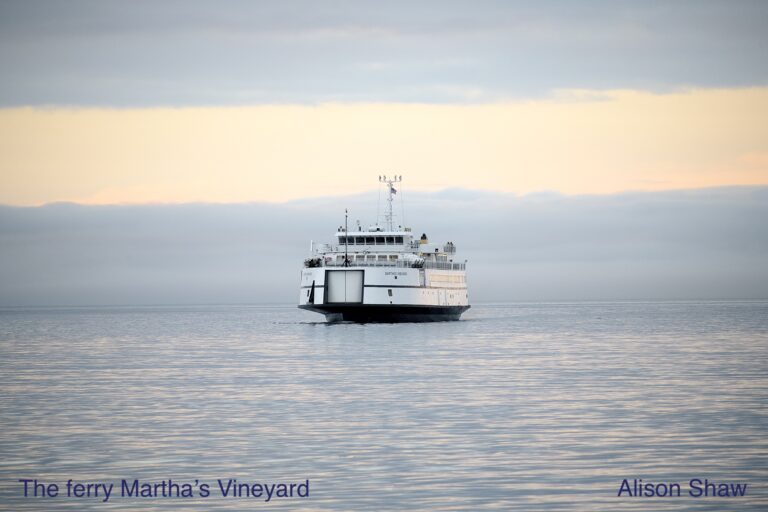
In one sense, the Island of Martha’s Vineyard is like any other island: Traveling back and forth to the mainland can be a challenge, especially in season. Prices for all manner of goods and services are high and feelings of isolation can become acute, especially during the winter months.
Having said that, there’s something unique about life on this little Island, a few miles off the coast of Cape Cod and a couple hours’ drive from Boston (or “America,” as some jokingly call it): Simply put, there are two Martha’s Vineyards — its high-profile summer season and the far more reserved autumn, winter and spring off-season. Together they create a unique set of challenges and opportunities for both part-time as well as year-round residents.
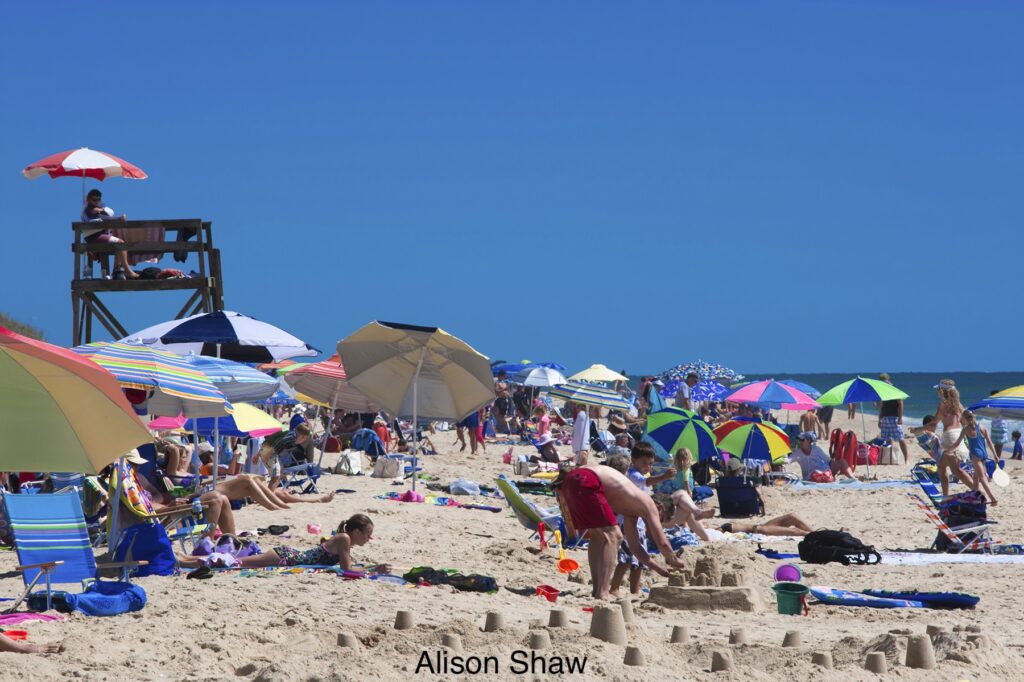
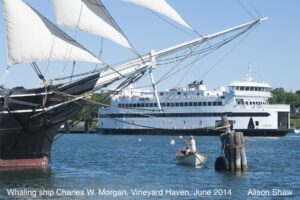
The bustle of “tourist season”: From roughly mid-June to mid-September, Martha’s Vineyard is transformed from a quiet community of around twenty-thousand full-time residents into a glamorous, world-renowned resort of between one hundred thousand and two hundred thousand people. The Island buzzes with energy: Planes zoom in and out, boats jam the harbors, celebrities appear, beaches are crowded, and restaurants and shops are packed.
There’s a real upside to all this, of course: The Vineyard’s economy reliably booms year in and year out, supplying an abundance of jobs in hospitality, retail and support services, and pouring wealth into the community. This high-intensity period allows many year-rounders and seasonal workers to earn the bulk of their annual incomes.
However, like any seasonal boomtown, there are downsides. The demand for vacation rentals during the summer drives prices for housing and everyday goods to exorbitant levels, pricing out many essential workers and middle-income families. And then there’s what’s called “the Island Shuffle,” when year-round renters must vacate their winter housing by May or June so owners can rent their properties at high seasonal rates. Not surprisingly, this leads to significant housing insecurity and unstable living situations.
Housing may, in fact, be the Island’s most pressing problem. Driven by high demand for second homes and luxury rentals, the median home price – now hovering at nearly $2 million — is simply out of reach for year-round residents who help to make the Island work: teachers, first responders, tradespeople and police (the town of Aquinnah, for example, is dangerously close to losing its entire police force; other towns are facing the same problem.)
A close second to housing would be substance abuse. Given their isolation, islands are infamous for fostering drug and alcohol abuse and addiction. Martha’s Vineyard is no different. And the statistics are startling: 75 percent of the individuals taken to the Edgartown jail are there because of alcohol- and drug abuse-related incidents. The Vineyard’s rate of referral to state run substance abuse treatment programs is 25 percent higher than the statewide average. And saddest of all, the suicide rate on Martha’s Vineyard is double the state average.
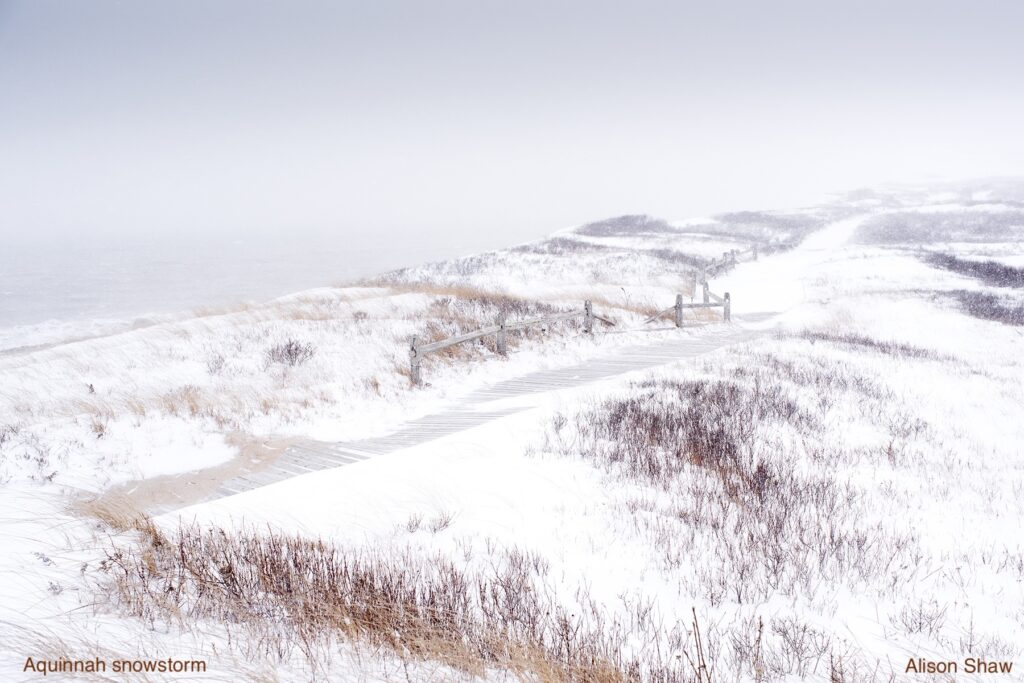
The calm of “off-season”: When September arrives and the crowds vanish, a profound stillness settles upon much of the Island. Many tourist-oriented businesses close their doors, some from mid-January until April. The pace slows considerably, creating an idyllic small-town atmosphere characterized by empty beaches, peaceful trails and strong personal interactions. For year-round residents, this is a cherished time of community events — the world-renowned Martha’s Vineyard Striped Bass and Bluefish Derby being one of them — that offer a chance to refresh, reflect and prepare for next summer.
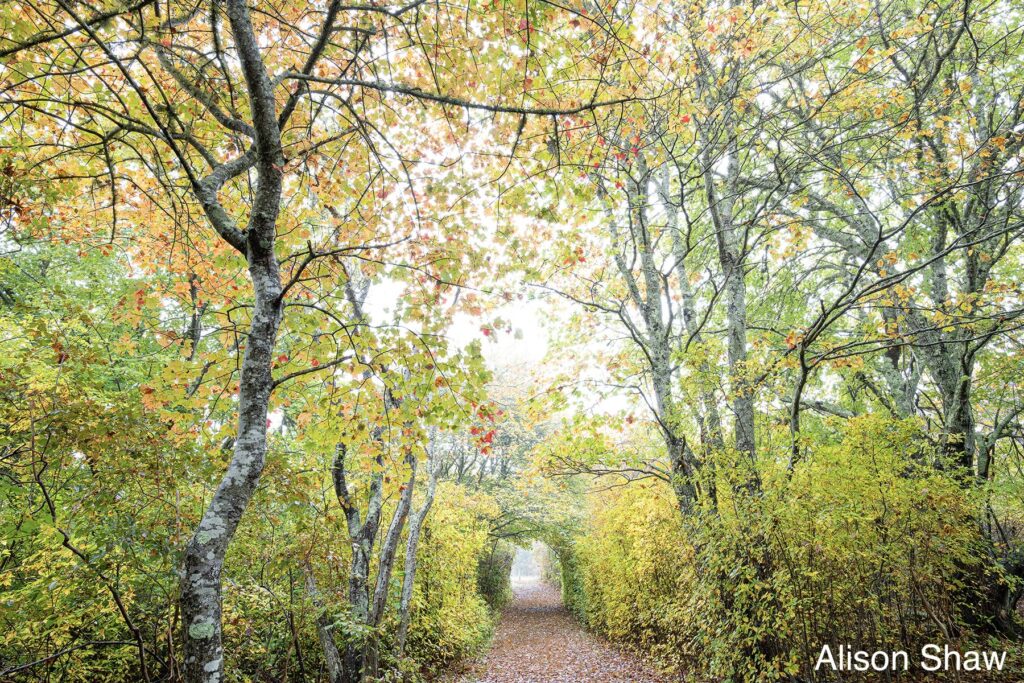
But again, there’s a price to be paid for this tranquility. Businesses in two of the Island’s three main towns — Oak Bluffs and Edgartown — mostly shutter up, leaving streets feeling somewhat empty (the third, bigger town, Vineyard Haven, with more businesses open year-round, is the off-season’s “go-to” town). Not surprisingly, there’s also an accompanying, drastic drop in job availability, with many workers facing seasonal unemployment or underemployment and working reduced hours or in jobs that do not fully utilize their skills. Moreover, when seasonal high winds or a late fall nor’easter (or, rarely, a hurricane) hit, ferries and flights are significantly reduced or cancelled, hampering the ability to leave.
The bottom line? Successfully navigating life on the Island of Martha’s Vineyard means balancing the idyllic off-season calm with the intense and often difficult economic realities imposed by the seasonal tourist market. Solutions remain elusive, but continuing efforts — expanding affordable housing, building more accessory dwelling units and increasing support for social service programs such as Martha’s Vineyard Community Services — could help to provide both stability as well as a sustainable future for all those who call the Island home.
A quiet but expectant yearning
We know the history of our church, and we’re proud of it. But at coffee hours, at committee meetings and even in the pews where the subject is sometimes discussed before services begin, we share a sense that there are causes in our past that we once led vigorously but have since stopped doing – causes we’d like to bring back or reinvent for our own time.
 Older parishioners at St. Andrew’s recall sponsoring street fairs, May Day pancake breakfasts and auctions – among other events – whose revenues funded projects all around the Island. These were celebrations that drew throngs and whose recurring absences on our church calendar our senior members wistfully recall, and our newer members hear about with wonder. Across the street we are custodians of a parish house where other faiths worship and recovery groups meet – but where children once gathered for Sunday classes, yet no longer do because we have not offered the community a youth education program for decades. This, because we have not yet imagined the ways we might attract the families whose children would spiritually thrive in one.
At St. Andrew’s, we await a minister who will work with us to reintegrate our church into areas of Vineyard life where we have not been for a while, but we believe would welcome us back if we all figured out ways in which we might be of meaningful help. Across our congregation we feel a fresh, expectant sense that with new pastoral leadership we can and will recapture old and invent new ways to serve our fellow Island inhabitants creatively, faithfully, joyfully, collectively, enduringly. This leads naturally (and crucially) to a subject our whole parish has been considering and discussing in many ways this past year.
This conversation involves. . . .
The rector we seek
Specifically, what kind of full-time rector do we seek to serve St. Andrew’s?
 Let us get one thing out of the way, quickly: St. Andrew’s is no different than any other church in its desire to work with a priest who:
Preaches effectively, to our hearts as well as our heads. We are an intelligent and caring Christian community with a deep love for the historic faith as handed down through the centuries. We are eager to hear the truth of the Gospels interpreted in fresh, new ways that address the challenges of this age. Our new pastor should inspire us by connecting us to the word of God, here and now.
Provides compassionate pastoral care to all. While we want and need a priest who can understand and address the struggles of each member of St. Andrew’s, we also need a pastor who understands and addresses the needs of those beyond our walls. We believe strongly in engaging the Gospel with the world, and we want our new rector to help us find new ways to continue to do just that.
Can strategically guide and manage growth, not only in terms of membership and finances, but through our shared ministries as well. Our new priest should have the capacity to amplify Christ’s vision of love, leading us boldly toward the realization of that vision. We are eager to serve the Vineyard and world as we know it and will look to our new rector for guidance.
As we understand it, these criteria are generally the “price of admission” for any new rector. Having said that, based on structured discussions after our Appreciative Inquiry (in the summer of 2025) and the even more recent results of our Congregational Assessment Tool (commissioned as part of our pastoral search), we have discerned clear and specific goals for which St. Andrew’s seeks compelling and compassionate leadership.
Here they are.
We want to grow, but not for growth’s sake. We seek a rector who can help us strategize an intelligent path to growth that builds on our strengths: Adherence to the Gospels, commitment to pastoral care, openness to all manner of God’s people. St. Andrew’s has historically demonstrated an acceptance of, and love for, those living different sorts of lives and having different views and opinions. We want our new priest to help us find more and better ways to invite anyone who professes a faith to join our congregation, embracing and celebrating who they are and the fresh talents and skills they bring to our shared lives.
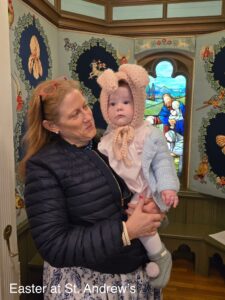
We are eager to find ways to welcome younger families with children. We are an older church (90 percent-plus over fifty-five), with only a few families with children, and no church school or Christian education program. This is, quite literally, a “tabula rasa,” a clear and present opportunity for our new pastor. There are many in the congregation eager to be a part of this new growth.
We want our new priest to provide more opportunities for Christian education and spiritual formation at every stage of our lives. He or she or they should help us find fresh, new ways to connect with one another – to form meaningful relationships (individually and in small groups), to share meals, to engage in Bible or book studies, and to gather in other smaller, more intimate engagements that will foster our spiritual development.
We want to strengthen the pastoral response of the church to serve people in times of need – emotional, mental, physical, spiritual. Our new rector should not only increase pastoral visits to the elderly, the infirm and the housebound, but also teach us, as a congregation, how to do the same. We want a rich tapestry of ministries that goes well beyond the rector’s office.
We want our new rector to help develop the “spiritual generosity” of the people to support the ministries of the church with gifts of time, talent and treasure. He or she or they should tie these threefold ways of giving into one, helping us understand that the Gospel asks us not only for gifts of money, but gifts of self as well. We are each called to ministry, and we each have our own special mission. Our new priest must remind us of that.
 St. Andrew’s is bound together by Christians who hold the love of God, as expressed through our Lord and Savior Jesus Christ, to be absolutely central to their lives and work. We are a parish rich in tradition and faith. Part of that faith, of course, is expressed through hope. And it is with that hope – and naturally God’s grace – that we believe we can become better with the guidance of the right pastor.
There is untapped potential here at St. Andrew’s. We look forward to working with a new rector who can help us release that potential to the Vineyard and to the world.
Our rectory and schools
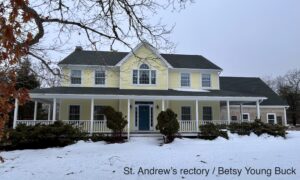 Rectory: In August of 2009, the church bought a single-family home for our rector measuring three thousand square feet, with four bedrooms and three bathrooms on a one-and-a-half-acre lot. The home is located just off the Edgartown-West Tisbury Road and situated about three-and-a-half miles from the church in the center of Edgartown. The rectory faces a bicycle path that can be ridden all around the Vineyard, and behind the home stands the Manuel F. Correllus State Forest, conservation land measuring hundreds of acres and alive with unusual flora and fauna.
Schools: The Vineyard school system works much the same way many mainland public school systems do:
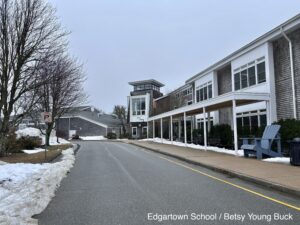 For kindergarten through eighth grade there are four schools among the six Island towns (Edgartown, Oak Bluffs, Tisbury – or Vineyard Haven – and a regional grade school for the three smaller western or up-Island towns of Chilmark, West Tisbury and Aquinnah). The Martha’s Vineyard Regional High School, located in the middle of the Island, serves all six towns in grades nine through twelve.
Independent of the regional school system, the Martha’s Vineyard Public Charter School serves students from kindergarten through twelfth grade. There are also several alternative schools and programs on the Island, and across Vineyard Sound a private school – Falmouth Academy – serves students in grades seven through twelve. The ferry trip takes about forty-five minutes each way and the school bus on Cape Cod takes about twenty minutes each way. In the fall of 2026, the school plans to board a limited number of students five days a week.
Church finances
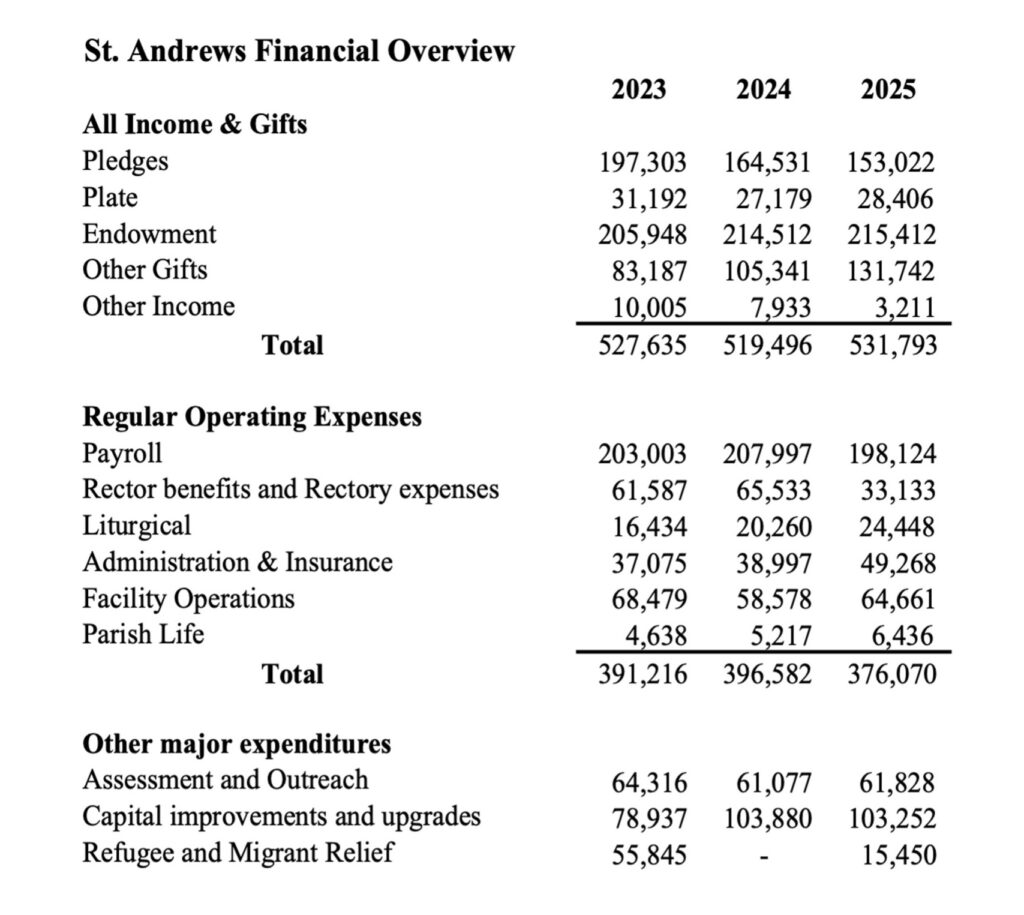
From our treasurer: St. Andrew’s is in a solid financial position. Our balance sheet is sizable for a small parish. We began 2026 with more than $255,000 on hand. We have no debt. The historic generosity of our parishioners has given us an endowment that covers more than half of our normal operating costs.
We possess a strong real estate portfolio that supports our mission. We have attended to deferred maintenance across our buildings and completed major improvements in the church, parish hall, parish house and rectory. These improvements and upgrades cost $285,000 over the past three years.
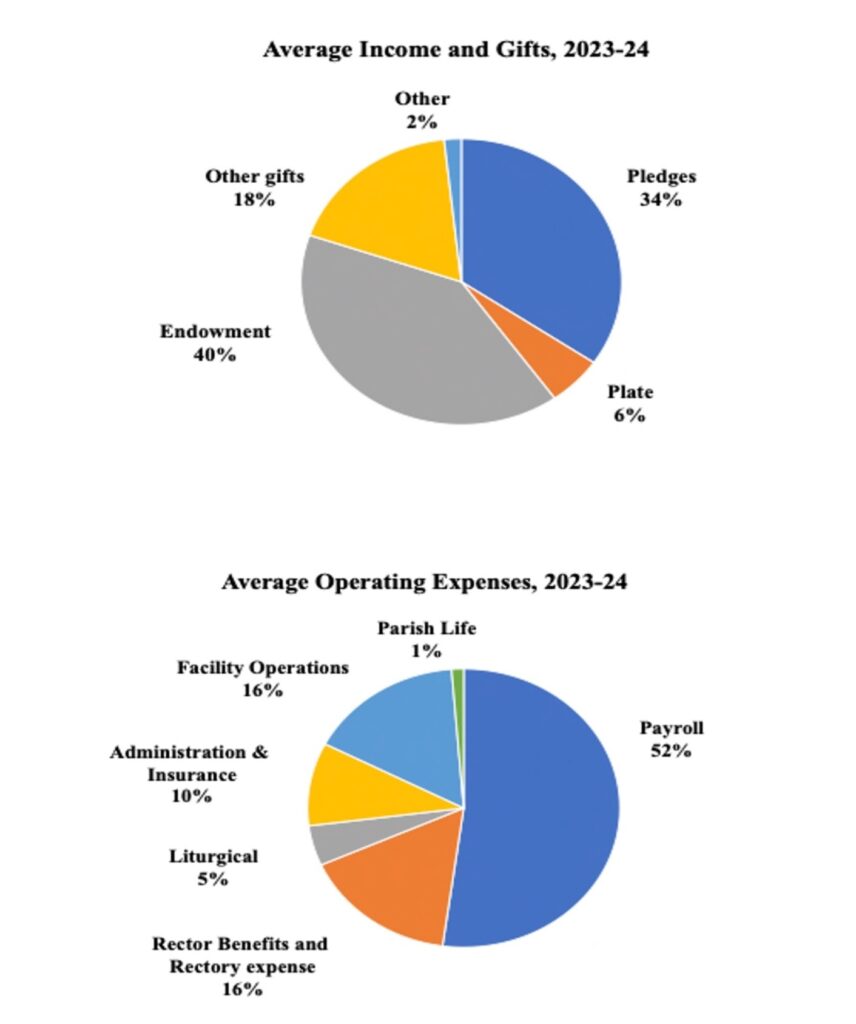 In 2024, we completed a major project to modernize the parish house apartment for our new organist and his family and a major repair and upgrade to a bathroom in the rectory. In 2025 we repainted the rectory interior and undertook repairs to make it attractive for a new rector. We also upgraded the church sanctuary to modernize the lighting, and we enhanced our video and audio capabilities supporting our on-line worship. It is doubtful that our facilities have ever been in better condition.
We have the financial assets and facilities to support a growing church. Our greatest financial need is to increase the average pledges of our approximately 110 pledging units and to increase membership.
How to apply